
Coroners Court.
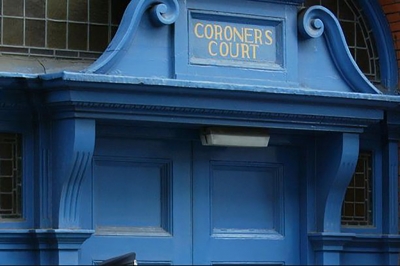 The Coroner is an independent, government appointed official with a legal responsibility for investigating sudden, unexplained or unnatural deaths. The Coroner will inquire into the circumstances of the death which may require a post-mortem examination, sometimes followed by an inquest. Post-mortems are carried out by a pathologist, who acts as the Coroner’s agent for the purpose of the post-mortem. The key concern of the Coroner’s inquiry is to establish whether or not death was due to natural causes. A Coroner may be a barrister, solicitor or medical practitioner who has been registered for at least 5 years. In summary the Coroner establishes the “who, when, where and how” of an inexplicable death a coroner will not be required.. Where death has occurred from natural causes or disease and the person was being treated by a doctor within one month prior to death. All cases of sudden, unnatural or violent death are legally required to be reported to the Coroner.
An inquest is an official public inquiry presided over by the Coroner which takes place 6 weeks or more after death. The inquest can be held with or without a jury and is determined by certain circumstances laid down by law. Any witnesses will be requested to submit a written statement and be required to attend the inquest to give their testimony regarding the circumstances surrounding the death. Doctors must attend if they are requested to and are also required to furnish a copy of the medical report and any other relevant notes. The Coroner decides which witnesses are necessary, and their evidence is presented in a logical sequence of events relevant to the circumstances of the death…. Read More
Fatal Workplace Accidents Inquests.
 When a death occurs as a consequence of a workplace accident, it is a legal requirement that an inquest is established to determine the exact cause of death. In many cases a post mortem is also necessary. While the inquest is an investigation to establish the cause of death it is not about identifying who is responsible for the fatal accident.
The inquest is managed by the coroner. Interested parties, such as the victim’s family can attend and may also have legal representation. In workplace asbestos related disease inquests, the coroner may ask for tissue samples and medical records to clarify if and to what extent asbestos was a factor in contributing to the persons death. It is only when the exact circumstances and events leading up to the workplace death have been established that informed decisions can later be made regarding, what or if any negligence contributed to the person’s death…. Read More.
Fatal Road Traffic Accident Inquest.
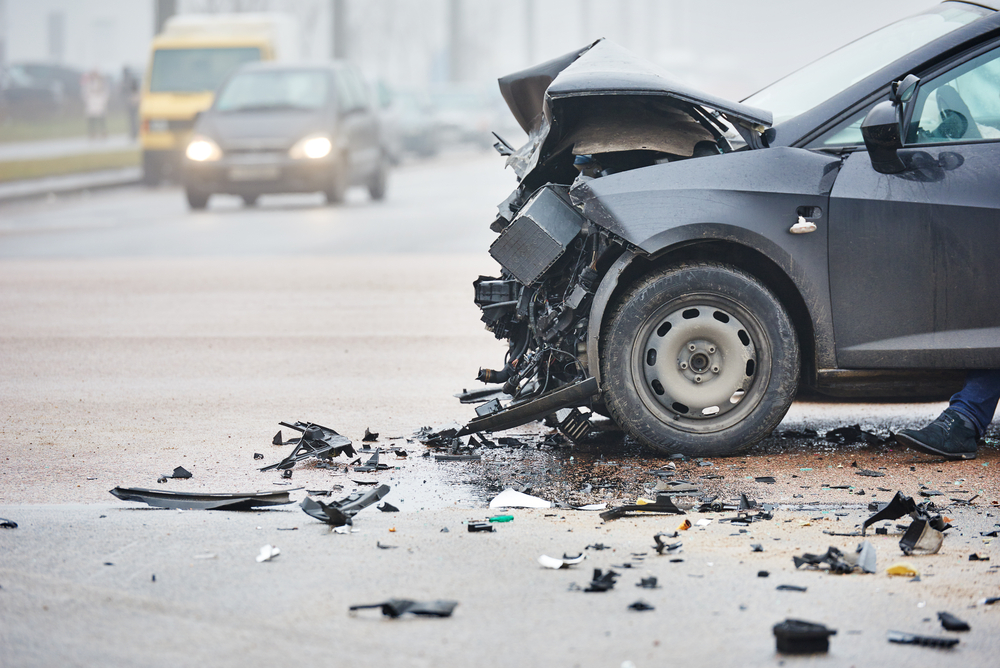 When there has been a fatal road traffic accident, the coroner will establish an inquest to ascertain the cause of the accident and the factors that led up to it. The outcome of the inquest will seek to identify if there was negligence on the part of anyone. Depending on the outcome, if it is determined that a party or parties were to blame for the accident. The next of kin and anyone else who has suffered as a consequence of the accident can instruct a solicitor to begin proceedings to recover compensation. If you have lost someone close to you in a fatal road accident, it is important that you engage a solicitor, particularly if the traffic accident is the subject of an inquest…. Read More.
Medical Misadventure Inquests.
 Inquests are particularly important where the next of kin of the deceased believe that medical negligence on the part of medical staff contributed to or was the cause of the person’s death. The coroner will investigate all the facts leading up to death and highlight any factors that he or she believes contributed to the death, including medical treatment prior to death.
If the death occurred in a hospital, medical staff responsible for treatment of the deceased will be called to give evidence in person or by providing a written statement. In circumstances where a hospital is involved they will have legal representation particularly if there is the possibility that hospital policies and procedures will be challenged…. Read More.